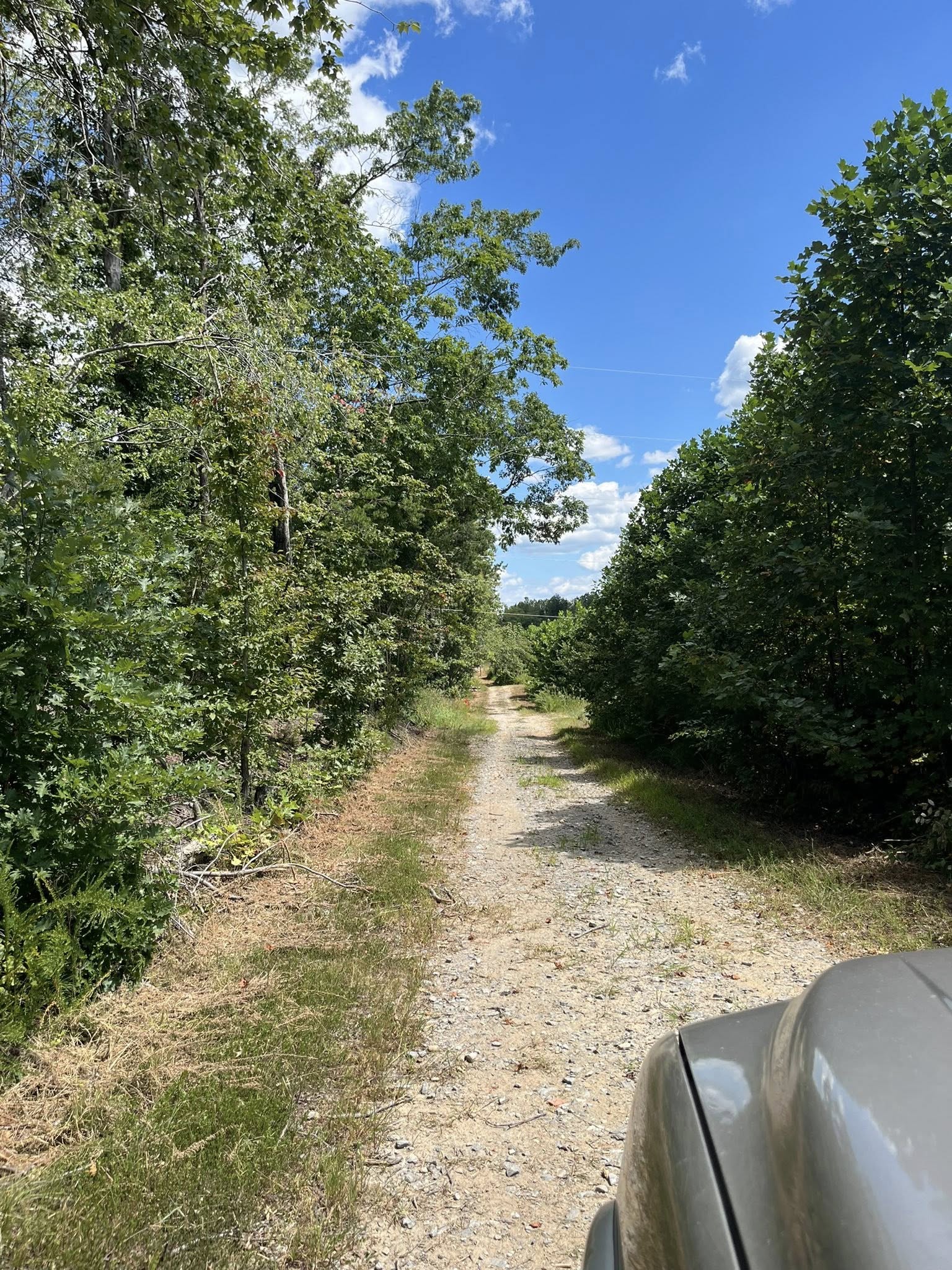
Preserving Biodiversity: Strategic Approaches to Conservation and Land Stewardship Dec 01, 2025
At the heart of biodiversity preservation is the need to understand and protect the diverse range of species and ecosystems inhabiting our lands. Conservation efforts play a vital role in maintaining the natural habitats that various species depend on. Southside Land Management employs a variety of strategic approaches to ensure these habitats are preserved. These strategies include promoting native vegetation, implementing controlled burns, and carefully managing invasive species, all of which contribute to maintaining healthy ecosystems.
One of the primary strategies for conserving biodiversity is the promotion of native plant species. Native plants are vital because they support local wildlife, especially pollinators like bees and butterflies, which are crucial for ecosystem health. By planting and maintaining native vegetation, Southside Land Management not only enhances the natural beauty of land areas but also creates a sustainable environment that supports local wildlife populations.
In addition to planting native species, another essential technique used by land managers is the implementation of controlled burns. Fire is a natural part of many ecosystems, and its controlled use can help rejuvenate plant life, recycle nutrients, and maintain the balance of certain plant and animal communities. When applied with care and precision, prescribed burns remove invasive plant species and encourage the growth of native vegetation, thereby promoting biodiversity.
Managing invasive species is another critical component of land stewardship for biodiversity preservation. Invasive species often outcompete native plants and animals, leading to a decline in local biodiversity. Southside Land Management uses strategic plans for monitoring and eradicating invasive species, ensuring that native ecosystems have the opportunity to thrive. Techniques such as manual removal, chemical treatments, and biological controls are employed to manage these problematic species effectively.
Educational outreach is also an important aspect of conservation efforts. By educating local communities and stakeholders about the importance of biodiversity, Southside Land Management fosters a collaborative approach to conservation. When people understand the value of healthy ecosystems, they are more likely to participate in and support conservation initiatives. Workshops, seminars, and community cleanup events are examples of how education can build support for biodiversity preservation.
Conservation efforts require constant monitoring and adaptive management strategies to respond to ongoing challenges effectively. Ecosystems are dynamic, and continual assessment is necessary to ensure that conservation strategies are working as intended. By frequently evaluating the success of different approaches and making adjustments as needed, Southside Land Management can continually improve its efforts to preserve biodiversity.
In conclusion, preserving biodiversity through strategic conservation and land stewardship is essential for maintaining ecological balance and ensuring long-term environmental sustainability. Southside Land Management's approach of promoting native species, implementing controlled burns, managing invasive species, and prioritizing educational outreach demonstrates a comprehensive strategy for effectively supporting biodiversity. By adopting these methods, everyone can contribute to a healthier planet for future generations, ensuring that diverse ecosystems continue to thrive.
/filters:no_upscale()/filters:format(webp)/media/0d67db5b-f50f-4fd5-966b-bb5cd6ac3ecd.jpeg)
/filters:no_upscale()/filters:format(webp)/media/59a6df6e-1a2a-4086-a312-337dd84a88d8.jpeg)