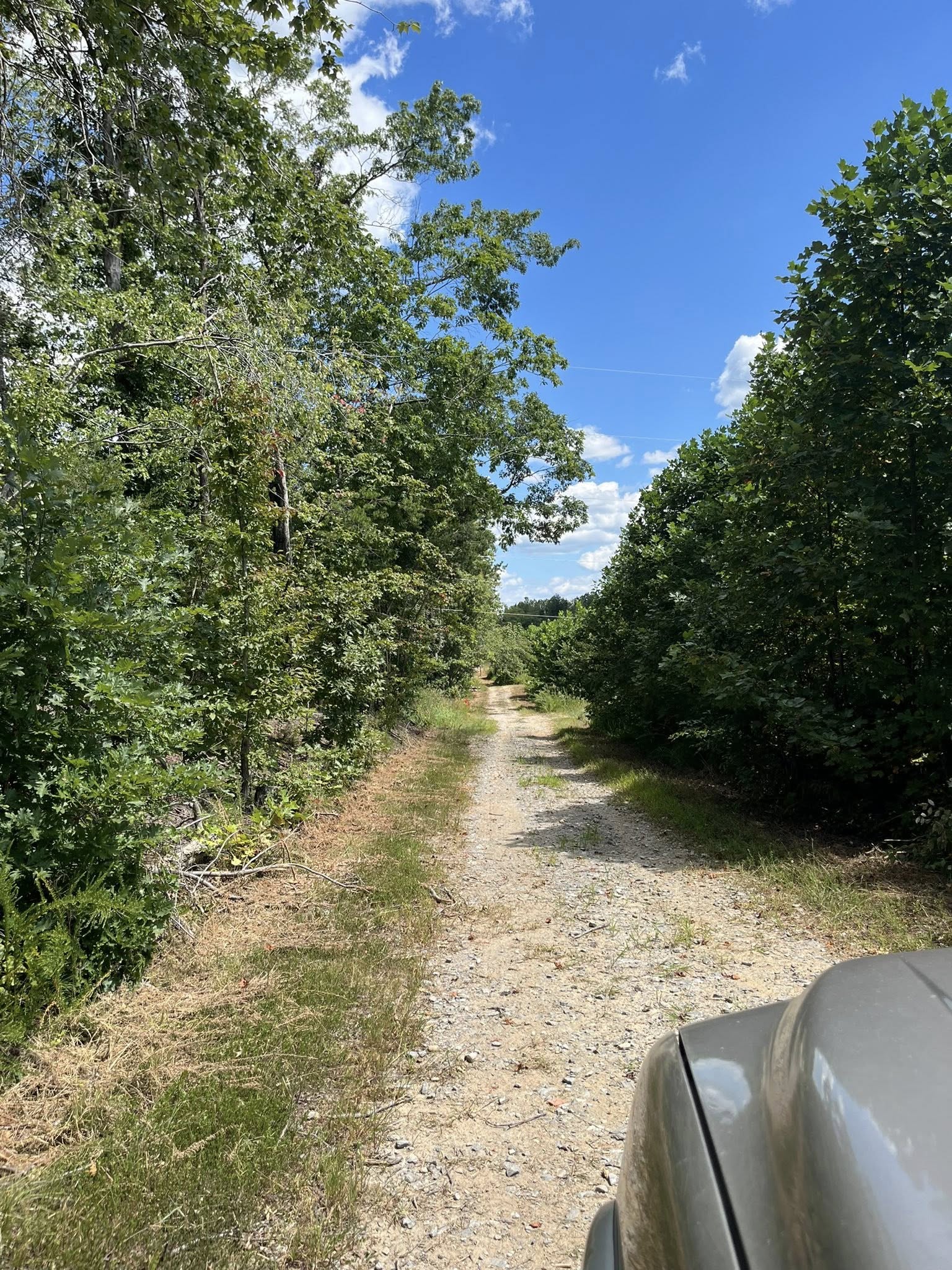
Local Flora and Fauna: Strengthening Natural Habitats through Strategic Land Management Apr 19, 2026
First, let’s discuss why preserving local flora and fauna is vital. Local plants and wildlife play an integral role in maintaining ecological balance. Native plants are adapted to the local climate and soil conditions, which means they require fewer resources and provide suitable habitats for native wildlife. This symbiotic relationship significantly contributes to the health and sustainability of our environment.
At Southside Land Management, our strategic approach begins with identifying and preserving the existing natural features of a landscape. This involves performing comprehensive assessments to understand the current ecological state of the land. By doing so, we can develop management plans that focus on conserving the unique attributes of local flora and fauna while enhancing biodiversity. Encouraging biodiversity is essential as it leads to more resilient ecosystems that can better withstand environmental changes and disturbances.
One of the effective strategies we employ involves carefully planned reforestation and native planting. Introducing native species strengthens local ecosystems by providing habitats and food sources for wildlife. This process also contributes to soil stabilization and improved water quality, creating a foundation for flourishing natural habitats. By prioritizing native species, we support biodiversity, which helps maintain ecological resilience.
Moreover, managing invasive species is a critical component of our strategy. Invasive plants and animals often outcompete native species, leading to reduced biodiversity and weakened ecosystems. Through targeted removal and sustainable maintenance practices, we can reduce the impact of these invaders, allowing native species to reclaim their rightful place in the environment. Our team at Southside Land Management uses environmentally friendly methods to control these threats, ensuring minimal disruption to the ecosystem while achieving lasting results.
Another vital aspect of our work is conservation education. We believe that empowering community members with knowledge about local ecosystems enhances conservation efforts. Simple practices like planting a pollinator garden or minimizing pesticide use can have profound impacts when implemented collectively by a community. Workshops, community events, and educational materials are some of the ways we engage with and educate our clients about the benefits of strategic land management.
As the community continues to grow, so does the need for responsible and sustainable land development. Incorporating green spaces within urban planning not only supports local wildlife but also improves human quality of life. These green spaces provide areas for relaxation, recreation, and a deeper connection to nature, highlighting the importance of integrating ecological considerations into development decisions.
In conclusion, strategic land management serves as a cornerstone in the preservation and enhancement of local flora and fauna. By focusing on tailored approaches that include conservation assessments, native planting, invasive species management, and community education, Southside Land Management is dedicated to fostering natural habitats that thrive. As we work together to implement these strategies, we contribute to the sustainability of our environments, ensuring that future generations can enjoy the rich biodiversity of our natural landscapes.
/filters:no_upscale()/filters:format(webp)/media/0d67db5b-f50f-4fd5-966b-bb5cd6ac3ecd.jpeg)
/filters:no_upscale()/filters:format(webp)/media/59a6df6e-1a2a-4086-a312-337dd84a88d8.jpeg)