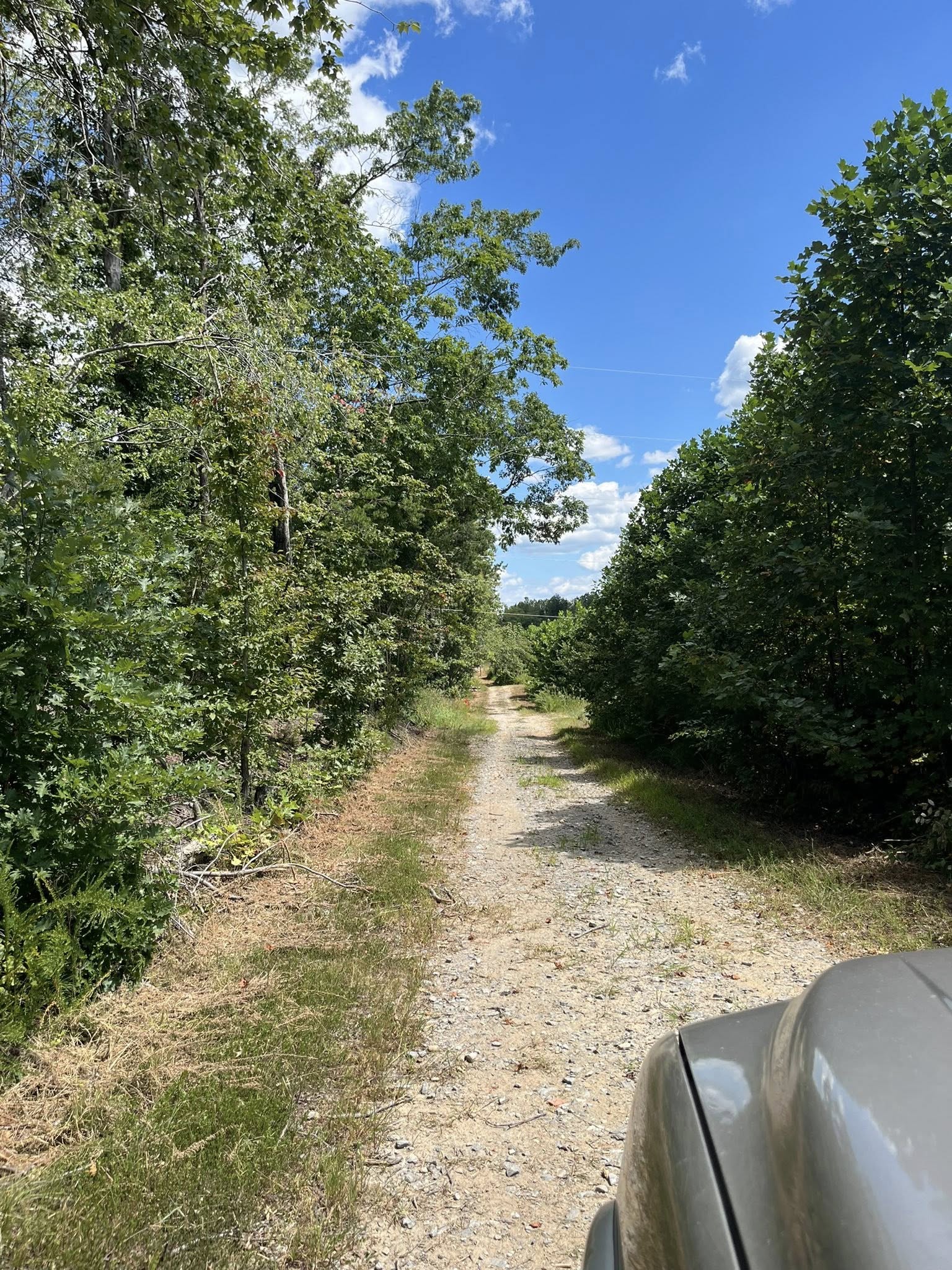
Land Management and Carbon Sequestration: Building a Sustainable Future Jan 31, 2026
The concept of carbon sequestration might sound complex, but at its core, it is a natural process where trees and plants absorb carbon dioxide, a significant greenhouse gas, from the atmosphere. Through photosynthesis, these plants convert carbon dioxide into organic carbon, storing it in the soil and vegetation. This is where effective land management becomes indispensable. By managing land sustainably, we enhance the ability of the natural ecosystem to sequester more carbon, thus combating climate change.
Our approach at Southside Land Management involves implementing practices that maximize carbon sequestration. This includes encouraging the growth of vegetation cover through afforestation and reforestation projects. Planting more trees not only aids in carbon uptake but also creates habitats for various species, promoting biodiversity. Moreover, maintaining healthy forests is crucial, as they serve as large carbon sinks, absorbing more carbon dioxide than degraded lands.
Another vital aspect is soil management. Healthy soil is a significant reservoir for carbon storage. By adopting techniques such as no-till farming, cover cropping, and crop rotation, we can enhance the soil’s organic matter content. These practices reduce soil erosion and improve its fertility, leading to an increase in plant biomass and, consequently, more carbon sequestration.
At Southside Land Management, we believe in holistic land management strategies. This means integrating practices that not only focus on carbon sequestration but also support other aspects of sustainability. For instance, wetland restoration is another method that we champion. Wetlands are incredibly effective at storing carbon. By restoring these areas, we reestablish their natural hydrology and vegetation, promoting their function as carbon sinks while also protecting water quality and providing wildlife habitat.
The importance of community involvement and education cannot be overstated in the effort to build a sustainable future. Engaging with local communities to raise awareness about the benefits of carbon sequestration is crucial. Supporting sustainable agricultural practices and encouraging the adoption of carbon-friendly policies at both local and national levels can drive meaningful change.
At the heart of Southside Land Management's philosophy is the belief that sustainable land management and carbon sequestration are not just environmental imperatives, but also opportunities for economic growth and development. By investing in these practices, landowners can often see improved productivity and healthier ecosystems, which can translate into economic benefits.
In conclusion, as global environmental challenges continue to grow, the role of land management as a tool for sustainability becomes even more significant. At Southside Land Management, we are committed to leading the charge in promoting practices that offer real, tangible benefits for our environment. By focusing on effective land management and carbon sequestration, we are not just managing land; we are paving the way toward a sustainable future for all.
/filters:no_upscale()/filters:format(webp)/media/0d67db5b-f50f-4fd5-966b-bb5cd6ac3ecd.jpeg)
/filters:no_upscale()/filters:format(webp)/media/59a6df6e-1a2a-4086-a312-337dd84a88d8.jpeg)