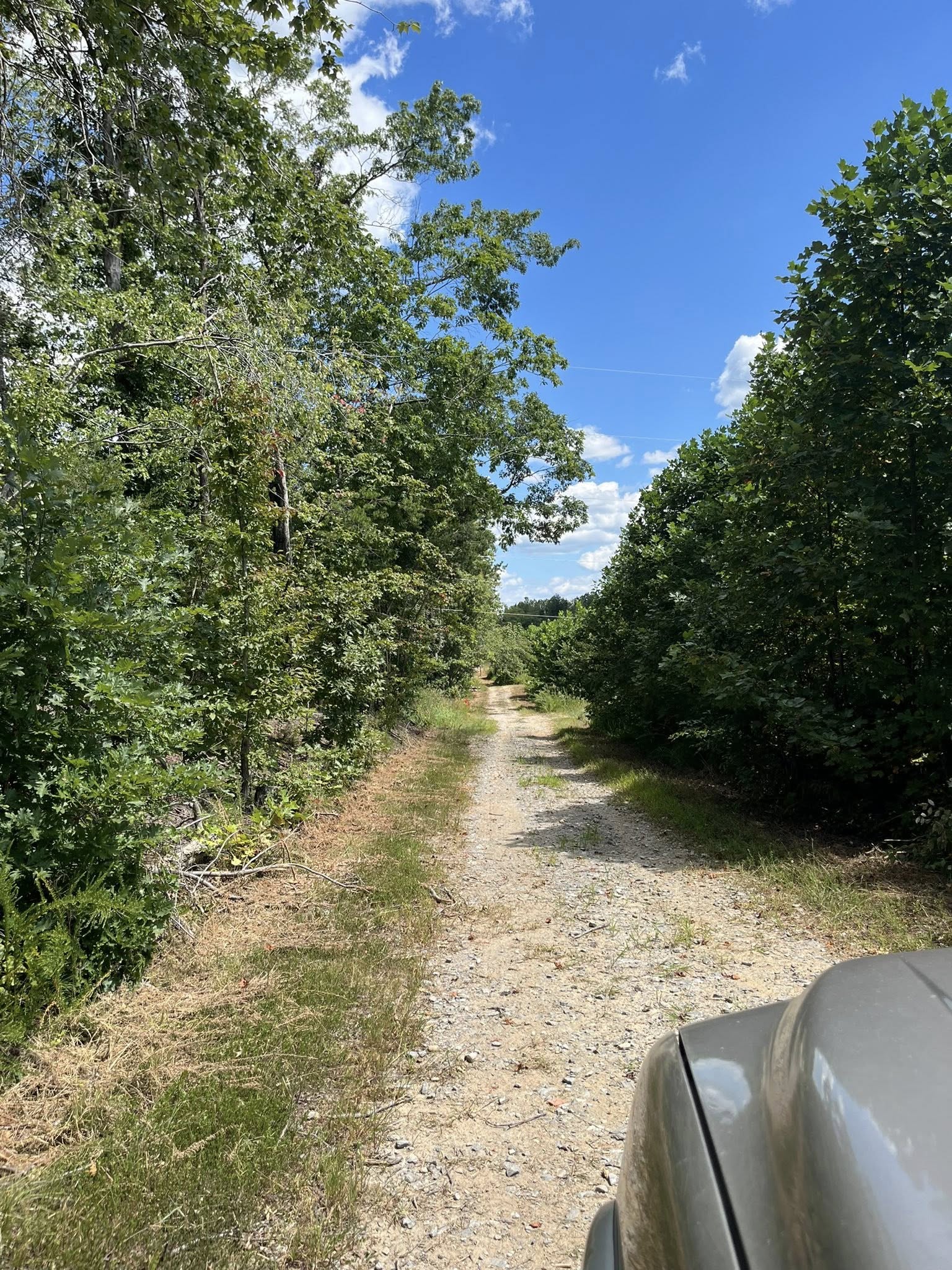
Adapting to Climate Change: Proactive Land Management Strategies for Long-Term Resilience Jan 10, 2026
As temperatures rise and weather patterns become more unpredictable, our strategies must evolve to maintain ecological balance. One of the essential approaches is the implementation of sustainable land management practices that mitigate the adverse effects of climate change. Conservation techniques, such as controlled grazing and reforestation, can prevent soil erosion and support carbon sequestration. By maintaining vegetative cover, these methods help in stabilizing the landscape and promoting soil health, which is critical for sustaining agricultural productivity.
Water management is another crucial element. With shifting rainfall patterns, managing water resources efficiently is vital. Flexible irrigation systems and rainwater harvesting can reduce dependency on unpredictable rainfall, ensuring crops and plants receive adequate water supply even during dry spells. Moreover, restoring wetlands and floodplains can act as natural sponges, absorbing excess runoff and reducing the risk of floods, thus protecting both biodiversity and human settlements.
Biodiversity enhancement is also a key factor in promoting resilience. Diverse ecosystems are more robust and better equipped to withstand climate changes. Planting native species and creating wildlife corridors not only supports biological diversity but also ensures that ecosystem services are preserved. Pollination, seed dispersal, and pest control are just a few of the benefits of maintaining a rich tapestry of flora and fauna.
Community involvement is indispensable in the face of climate change. Southside Land Management believes in engaging local communities in land management efforts. By educating and empowering landowners and stakeholders, we can implement practices that align with both environmental objectives and the needs of the people. Participatory land-use planning ensures that strategies are context-specific and culturally sensitive, increasing their effectiveness and sustainability.
Technological advances provide additional tools to bolster resilience. Innovative solutions such as remote sensing and geographic information systems (GIS) can help monitor land conditions in real-time, enabling timely interventions. By leveraging data analytics, we can predict climate impacts and optimize resource allocation to areas most in need.
Pest and disease management is another concern, as warmer temperatures can lead to increased pest populations. Integrated pest management strategies, which focus on biological control and reducing reliance on chemical pesticides, play a pivotal role in protecting crops without harming the environment.
Finally, regular monitoring and evaluation of land management strategies are necessary to adapt to ongoing changes. By continuously assessing performance and outcomes, we can tweak and improve practices for maximum effectiveness.
In conclusion, adapting to climate change through proactive land management is not just a necessity but an opportunity to strengthen our ecological and social foundations. At Southside Land Management, we are committed to implementing adaptive strategies that ensure the resilience and sustainability of the lands we steward. Our comprehensive approach not only mitigates the adverse effects of a changing climate but also enhances the productivity and health of ecosystems. By working together, we can build a future where both nature and communities thrive.
/filters:no_upscale()/filters:format(webp)/media/0d67db5b-f50f-4fd5-966b-bb5cd6ac3ecd.jpeg)
/filters:no_upscale()/filters:format(webp)/media/59a6df6e-1a2a-4086-a312-337dd84a88d8.jpeg)